Is the Marshall Bromley 750 better than the Rode Nth 50? We Tested Both
Category: Audio
Introduction
When shopping for a studio-grade microphone, buyers often weigh sound character, build quality, and real-world usability over marketing slogans. The Marshall Bromley 750 and the Rode Nth 50 are two modern contenders aimed at content creators, podcasters, and home studio musicians who want high-quality condenser microphones without getting lost in complex feature sets. This article compares both microphones based on hands-on testing across voice, acoustic guitar, and home-recording setups to help readers decide which one fits their needs.
The goal is practical: describe how each mic behaves in everyday scenarios, identify strengths and weaknesses, and highlight which buyer profiles will benefit most. The testing focused on clarity, tonal balance, noise floor, handling of loud sources, off-axis rejection, ease of use with typical audio interfaces, and long-term comfort during recording sessions.
How the testing was done
Both microphones were tested in the same small home studio environment using the same preamps and audio interface to keep comparisons fair. Tests included:
- Close vocal recording (6–12 inches) for spoken-word and singing
- Acoustic guitar positioned both at the 12th fret and near the soundhole
- High-SPL sources (loud singing and amplified guitar) to assess distortion handling
- Ambient room pickup and off-axis rejection tests to assess bleed in untreated rooms
- Long sessions to evaluate thermal comfort and build resilience
Marshall Bromley 750 — Detailed review
Overview and design
The Bromley 750 presents a traditional large-diaphragm condenser profile with a metal grille and a solid-feeling chassis. The controls are minimal, favoring a straightforward approach: typical features include a pad switch and a high-pass filter on the body, though the exact layout may vary slightly depending on the retailer stock. The xlr-only connection keeps the signal path simple and compatible with standard studio preamps.
Sound character
In voice recordings the Bromley 750 emphasizes presence and a pleasing midrange that brings vocal detail forward. It tends to flatter male voices without sounding boxy, and it adds a touch of warmth that benefits narrative and podcasting work. For female vocals and breathier voices, the mic captures clarity without aggressive sibilance, making it forgiving for less-than-perfect room treatments.
On acoustic guitar the Bromley 750 delivers a musical midrange, with a slightly rounded high end that reduces harshness from bright strings. It does not exaggerate pick attack but retains enough transient detail to sit well in mixed tracks. When subjected to louder sources the mic maintains integrity; the built-in pad, when engaged, helps avoid preamp clipping while preserving tonal balance.
Build and ergonomics
Physically, the Bromley 750 feels robust. The grille and body give a reassuring weight useful for studio permanence. It is heavier than some lightweight alternatives, which can be an advantage when mounted on a stable stand but a minor drawback for portable setups. The included shock mount or mounting thread (varies by package) is functional but not exceptional.
Looking for the best Audio & Headphones deals on Amazon?
Shop Amazon →Real-world usability
Users recording voiceover, podcast segments, or singer-songwriter material will appreciate the Bromley 750’s forgiving nature in untreated rooms. It isolates the main source reasonably well and requires less surgical EQ to sit in a mix. As a primary vocal mic for home studios, it reliably produces radio-ready results with modest processing—EQ, compression, and subtle de-essing.
Pros & Cons
- Pros: Warm, musical midrange; forgiving on sibilance; solid build; performs well with minimal room treatment.
- Cons: Slightly heavier and less portable; not as analytically detailed in the top end for critical studio work; shock mount quality varies by package.
Rode Nth 50 — Detailed review
Overview and design
The Rode Nth 50 is positioned as a premium large-diaphragm condenser microphone with an emphasis on studio clarity and versatility. The design includes a robust grille, selectable pad and high-pass options, and a well-engineered internal shock mounting system. Like the Bromley 750, the Nth 50 uses an XLR output and expects a quality preamp to reveal its full potential.
Sound character
The Nth 50 leans toward a more neutral and detailed sound. Vocals recorded with this microphone are articulate, with a slightly more extended high-frequency response that brings air and sheen. This makes it excellent for modern pop vocals and applications where clarity and separability in a dense mix are priorities. The clarity comes without being brittle, but in untreated rooms the extended top end can highlight room imperfections.
For acoustic guitar the Nth 50 provides excellent transient response and string texture. It captures pick attack and top-end shimmer in ways that are useful for engineers who want to emphasize detail. When pushed with loud sound sources the microphone handles dynamics well, and the pad does an effective job preventing overload.
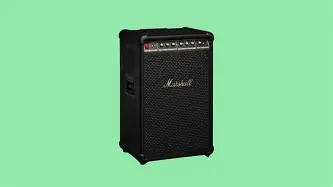
Build and ergonomics
Rode built the Nth 50 with studio use in mind: it is slightly lighter than some legacy large-diaphragm condensers but still feels premium. The internal components and shock mounting reduce handling noise, and the switchgear is tactile and reliable. The mic’s finish and construction suggest a product designed for long-term professional use.
Real-world usability
The Nth 50 is a go-to for session work and streaming setups where clarity and consistency matter. It responds well to EQ and compression, allowing producers to sculpt recorded tracks. In small home studios, pairing the Nth 50 with a modest amount of acoustic treatment yields excellent results; in untreated rooms, some careful mic placement and mild EQ are recommended to tame ambient reflection.
Pros & Cons
- Pros: Detailed, neutral sound; excellent transient response; solid internal shock isolation; consistent performance across applications.
- Cons: Can reveal room problems and sibilance more readily; slightly less forgiving on certain vocal types; may require higher-quality preamps to shine.
Side-by-side comparison
| Feature | Marshall Bromley 750 | Rode Nth 50 |
|---|---|---|
| Sound signature | Warm, presence-forward midrange; forgiving highs | Neutral, detailed, more extended highs |
| Best for | Podcasts, narration, singer-songwriters, untreated rooms | Session vocals, studio recording, acoustic detail, streaming with treatment |
| Handling loud sources | Good with pad engaged; retains musical warmth | Excellent with pad; preserves transients cleanly |
| Off-axis rejection | Good — helps in noisy/untreated rooms | Good — but reveals room reflections more due to detail |
| Build & ergonomics | Sturdy and heavier; functional mounts | Well-engineered; better internal shock isolation |
| Typical buyer concerns addressed | Works well without expensive acoustic treatment; friendly sound | Needs better preamp/room but yields high-fidelity results |
| Value for money | High value for content creators wanting warm tones | High value for users seeking studio-grade neutrality |
In-depth comparison: real-world use cases
Podcasting and voiceover
For podcasters and voiceover artists working in untreated or semi-treated rooms, the Bromley 750 often provides a faster route to a polished sound. Its midrange prominence reduces the need for corrective equalization and can mask some room coloration. The Nth 50, conversely, rewards careful placement and some acoustic treatment; it will capture subtle vocal textures that may require more processing but can produce a more broadcast-style clarity in a treated environment.
Home studio music production
When tracking vocals for music, the Rode Nth 50 tends to offer more flexibility for mixing engineers who want to shape the sound. Its clear top end and transient detail help vocals cut through a dense arrangement. The Bromley 750 is equally capable for singer-songwriter and lo-fi/indie productions where warmth and immediacy are preferred.
Shop the latest Audio & Headphones picks on Amazon.
Shop Amazon →Instrument capture
For acoustic instruments, the Nth 50 is the more analytical choice — it captures string definition and body resonance with fidelity. The Bromley 750 smooths the top end and provides a more flattering tonal blend in solo recordings or live-streamed performances where the instrument needs to sit comfortably without surgical EQ.

Live streaming and content creation
Streamers who want consistency with minimal fuss will appreciate the Bromley 750’s forgiving nature. The Nth 50 is excellent for creators who have control over room acoustics or use processed chains with noise gates and de-reverb tools, as it provides an articulate front end for further processing.
Buying guide — What to consider before choosing
Choosing between the Bromley 750 and the Nth 50 comes down to several practical considerations. The following guide helps prioritize what matters most for different buyers.
1. Intended use
- If the primary purpose is podcasting, narration, or streaming from an untreated room, prioritize a microphone with a forgiving presence—look toward the Bromley 750.
- If the primary purpose is studio music production, session work, or capturing detailed acoustic instruments, lean toward the Rode Nth 50 for its neutrality and detail.
2. Room treatment and placement
- Untreated rooms: a mic that softens highs and focuses mids (Bromley 750) reduces post-processing needs.
- Treated rooms: a more revealing microphone (Nth 50) will give better long-term results and mix flexibility.
3. Preamp and interface quality
- Neutral, detailed microphones benefit more from higher-quality preamps—if the interface is entry-level, the Bromley’s flattering character can help.
- If the interface and preamps are good, the Nth 50 will reveal their strengths and provide a cleaner capture.
4. Voice type and performance style
- Deep or midrange-dominant voices often sound fuller on the Bromley 750.
- Bright or breathy voices may be better served by the Nth 50 if the goal is clarity and presence in a mix, with careful de-essing.
5. Portability and mounting
- Consider weight and included mounting hardware—Bromley 750 is heavier and stable for a dedicated desk setup; the Nth 50 is well-balanced for session rotation.
6. Budget and long-term use
- Both microphones represent solid mid-to-high-end investments. Factor in potential costs for stands, shock mounts, and modest acoustic treatment if the room is not acoustically optimized.
Quick recommendations by buyer profile
- Beginner podcaster on a budget: Bromley 750 for its approachable sound and fewer production headaches.
- Home studio musician aiming for polished vocals: Rode Nth 50 for detailed capture and mixing flexibility.
- Live streamer wanting consistent voice presence: Bromley 750 for forgiving highs and presence.
- Producer/engineer doing session work: Rode Nth 50 for neutrality and clarity in multi-mic setups.
Conclusion
Both the Marshall Bromley 750 and the Rode Nth 50 are competent microphones that serve distinct priorities. The Bromley 750 excels at delivering a warm, presence-forward sound that works well in less-than-perfect rooms and for creators who want usable results quickly. The Rode Nth 50 shines in controlled environments and for users who prioritize transparency, detail, and studio-grade neutrality.
Ultimately, neither microphone is categorically “better” than the other; the best choice depends on the user’s room, preamps, and intended application. For those seeking a forgiving, characterful mic for voice and solo performance in casual setups, the Bromley 750 is a compelling option. For those who demand clinical detail and plan to record in a treated environment or use professional mixing chains, the Nth 50 will likely reward that investment.
Decide based on the typical recording environment and the tonal outcomes desired: warmth and immediacy (Bromley 750) versus neutrality and precision (Nth 50). Both microphones are capable tools in the modern creator’s toolkit when matched to the right workflow and space.