Pi7 True Wireless Review: Real User Experience After 3 Months
I've been using the Pi7 True Wireless earbuds for about three months now, and this review captures what it's really like to live with them day to day. I bought them with the intent of replacing my old buds for commuting, work calls, and the occasional run — so I tested them across those scenarios and a few travel days. What I found was a set of earbuds with outstanding sound design and an unusual feature set, but also a handful of real-world frustrations that mattered more than I expected.
Introduction
When I first read about the Pi7, I was intrigued by the promise of audiophile-grade tuning in a true wireless form factor and a charging case that does something a little different. After three months, I can say the Pi7 delivers on audio quality and a few clever ideas, yet it doesn't feel like a flawless daily driver. In this article I’ll walk through build and fit, sound and noise handling, battery life, call performance, the companion app, and the things that surprised or bothered me during regular use.
What I used them for
- Daily commuting on public transit and e-scooter rides
- Work calls (laptop and phone) and several long video meetings
- Leisure listening: podcasts, classical, jazz, electronic, and indie rock
- Two short flights and a long train ride where I tried the "audio-in" case feature
- Gym sessions and outdoor walks (light exercise)
Build quality, fit, and comfort
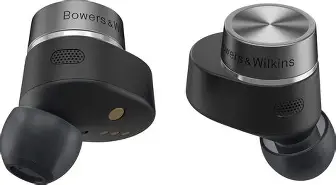
Out of the case, the Pi7 feels premium. The finish is tasteful and solid — not flashy, but substantial. The charging case is noticeably larger and heavier than most true wireless cases I’ve used. At first I thought the bulk would be annoying, but over time I appreciated the sense of protection it offered; it doesn’t give in to small knocks or feel fragile in a bag.
Fit-wise, the earbuds are compact and sit flush in my ear. I liked how the nozzles angle into the ear canal; after trying several included tips, I landed on a medium silicone tip that gave the best seal for me. In my experience the fit is comfortable for hours of listening. That said, if you run hard or do dynamic gym movements, I noticed they can loosen — they aren’t the most secure option for intense workouts.
What I appreciated
Small details like the magnetic closure on the case and the satisfying click when earbuds seat for charging were nice touches. The physical build gives confidence that these are meant to last.
What bothered me
That case bulk. It’s not pocket-friendly for slimmer pants, and I found myself leaving it in my bag more often than other smaller cases I own. Also, the touch controls on the earbuds are decent but occasionally temperamental — a tap might not register reliably in cold weather or when my hands were sweaty after a quick walk.
Sound quality and tuning
If you're after pure sound quality, this is where the Pi7 shines. In my listening sessions, the Pi7 consistently produced a warm yet detailed signature that made vocals and acoustic instruments sound rich. Bass is present and well-controlled; it has weight without overpowering the mids. I was surprised by how natural brass and strings sounded — there’s a clarity to the midrange that kept instruments distinct in busy mixes.
Highs are crisp without being brittle. I listened to a lot of vocal-centric tracks and complex jazz pieces, and the separation between instruments was excellent for true wireless earbuds. The staging isn’t as expansive as a good pair of over-ears, but for this form factor I found imaging and depth to be notably strong.
One thing I noticed: the Pi7 favors a slightly warm presentation. If you prefer a very neutral or analytical sound, you might want to tweak EQ in the companion app. For me, the warmth made long listening sessions more comfortable.
Find top-rated Audio & Headphones products at great prices.
Browse Now →Noise cancelling and ambient modes
The active noise cancellation (ANC) is effective at reducing low-frequency hums — trains, bus engines, and the baseline drone of airplanes were noticeably quieter. It’s not the absolute best ANC I’ve experienced (Sony still leads in sheer cancellation), but it’s more than useful for daily commuting and office work.
The transparency/ambient mode is practical and fairly natural sounding. I used it when ordering coffee or talking to people at my desk. There was a slight processing tint in very quiet environments, but it didn’t feel intrusive.
Battery life and charging
Battery life was one of the more mixed aspects of my experience. On a typical day with moderate listening and a few short calls, I got about 3.5 to 4 hours of continuous playback from a single earbud charge. The case provided roughly two full top-ups, giving me an overall usable time in the ballpark of 11–12 hours before needing to recharge the case. That matched my real-world use: I could get through a workday if I charged the case overnight, but there was no wiggle room for extended travel without recharging.
Charging is via USB-C, and the earbuds snap into the case and charge quickly. I appreciated the quick charge behavior — a short 15-minute top-up delivered enough juice for an hour-plus of listening in a pinch. The tradeoff, again, is that the case itself is relatively large for the capacity it carries.
Unique case feature — audio input passthrough
One of the Pi7’s most talked-about features is the ability of the case to accept a wired audio input (I used a 3.5mm cable during a train ride) and retransmit that signal to the earbuds over Bluetooth. This is a clever solution for airplane systems or older in-seat entertainment, and I actually used it on a short flight. In my usage the feature worked as advertised: it converted the wired feed to a clean wireless transmission to the earbuds with minimal latency and preserved a lot of the audio detail.
Practical takeaway: the case-as-transmitter feature is more niche than headline-grabbing, but when you need it — for travel or wired-only sources — it’s legitimately useful and well-implemented.
Call quality and microphone performance
For work calls, the Pi7 did an okay job. In quiet indoor environments my calls came through clearly and the people on the other end reported that my voice sounded natural. Outdoors or in windy situations, the microphones struggled more. I was occasionally asked to repeat myself in street noise, and wind tended to muffle the voice channel more than I liked.
If phone calls are a daily critical task for you (walk-and-talk meetings, outdoor calls), the Pi7 won’t be the best pick. For occasional calls in quieter conditions, they were perfectly serviceable.
Discover deals on Audio & Headphones — updated daily.
See Deals →Software and companion app
The companion app gives firmware updates, a few EQ presets, and basic control over ANC and transparency settings. I appreciated being able to tweak the EQ a little, though the customization is not as deep as some third-party apps offer. Firmware updates during my three months were smooth and fixed small annoyances; it’s clear the manufacturer is still supporting the product.
Durability and daily life observations
After three months, the earbuds show only light wear. No cracks, no flaking on the finish. The silicone tips compressed a little over time, but that’s expected. I treated them as my daily unit — pockets, bags, gym — and they held up well. The case hinge remains tight and the magnetic seating is still strong.
Pros & Cons
Pros
- Outstanding sound quality: Warm, detailed mids, controlled bass, and clear highs make music enjoyable across genres.
- Unique case feature: The wired audio-in that retransmits to the earbuds is a legitimately useful travel feature.
- Premium build: Solid materials, satisfying magnets, and a protective case.
- Effective ANC for many everyday noises: Reduces low-frequency hums well for commuting and office use.
- Quick charge behavior: Short top-ups are useful when you're in a hurry.
Cons
- Bulkier case: The case is larger and heavier than many competitors, which affects pocketability.
- Average battery life: ~3.5–4 hours per earbud is fine but not class-leading.
- Microphone performance in wind/noisy outdoors: Call clarity dips in windy or very noisy settings.
- Touch controls can be inconsistent: Taps sometimes fail to register depending on conditions.
- Price-to-feature tradeoff: You pay a premium for sound and special features but get middling battery and case size.
How the Pi7 compares — quick reference
| Feature | Pi7 (this review) | Sony WF-1000XM4 | Apple AirPods Pro (2nd gen) |
|---|---|---|---|
| Sound | Warm, detailed, excellent mids | Very balanced, detailed, wide soundstage | Bright, vocal-forward, great integration with Apple devices |
| ANC | Very good for low frequencies | Industry-leading | Excellent, especially on iOS devices |
| Battery (earbuds) | ~3.5–4 hours | ~8 hours (varies) | ~6 hours (varies) |
| Case size | Large / heavy | Moderate | Compact |
| Unique feature | Case can retransmit wired audio | Great ANC and LDAC support | Seamless Apple ecosystem features |
| Best for | Sound-first listeners who value travel features | All-rounders and ANC seekers | iPhone users and casual listeners |
Buying guide — is the Pi7 right for you?
In my experience, deciding whether the Pi7 is the right pair boils down to how you prioritize sound quality, portability, and special features.
Choose the Pi7 if:
- You value sound quality and midrange richness above all else. If vocals and acoustic instruments are central to your listening, you'll appreciate the Pi7.
- You travel occasionally and like the idea of connecting to a wired in-flight system — the retransmit feature is surprisingly practical.
- You prefer a premium-built product and don’t mind carrying a slightly larger case for that build and feature set.
Think twice if:
- You need long, uninterrupted battery life for full-day travel without recharging.
- You take a lot of outdoor phone calls or often walk-and-talk in windy conditions.
- Pocketability is a must and you prefer the smallest, lightest cases possible.
Practical tips from my usage
- Try several ear tip sizes before committing — I ended up with the medium tips from the set for the best seal and call performance.
- Keep a short USB-C cable handy in your bag; topping up the case between long travel legs is a small habit that prevented battery anxiety for me.
- Use the case audio-in on flights or trains — it’s the Pi7’s standout real-world advantage and saved me from wearing over-ear headphones on a couple of trips.
Final thoughts and conclusion
After three months with the Pi7, I can say they’re among the most musically satisfying true wireless earbuds I’ve used. The sound signature is engaging and rich, and the case's audio passthrough capability is not just a gimmick — it genuinely improved a couple of travel moments for me. Build quality and tuning are clear strengths.
That said, the Pi7 is not perfect. The bulky case and average battery life make them less of an ideal grab-and-go option, and microphone performance in windy conditions left me wanting more. The touch controls are acceptable but not stellar. In short, if you value sound and unique travel-friendly features more than absolute battery endurance or ultra-compact portability, the Pi7 will likely please you. If you want the longest battery life, smallest case, or the absolute best ANC, other options may be better fits.
For my own use case — a mix of music, commuting, and the occasional trip — I enjoyed the Pi7 and found myself reaching for them when I wanted quality listening. They’re the kind of product that grows on you: small inconveniences in daily life are balanced by the reward of great sound when you press play.